
Safety rules for travelling by car with children
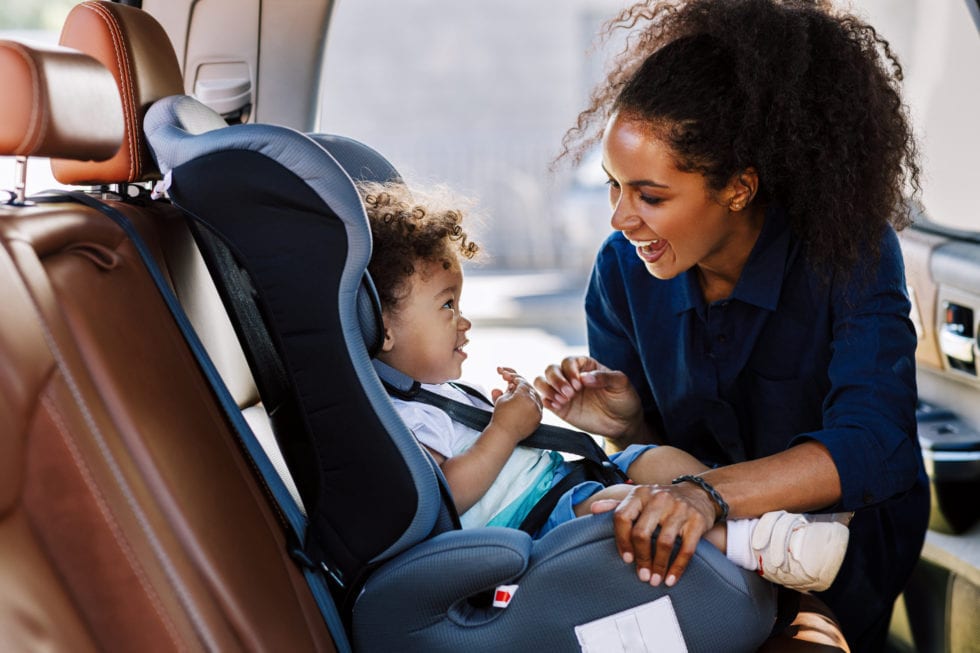
To ensure a safe and enjoyable car trip with children, careful preparation and constant vigilance are essential. Young children are particularly vulnerable to accidents. In France alone, four children under the age of ten are involved in road accidents every day. Babies under four are especially at risk of serious injuries. These accidents are primarily caused by driver inattention, improperly installed car seats, and other factors. Wondering how to minimize the risk of accidents involving children? Find the answers in the following paragraphs.
General rules for child safety in cars
There are rules to follow to ensure children’s safety during a car journey! First of all, please use a seatbelt if your child is 1.35m or taller.
Avoid carrying children on your lap even for short journeys. You will have difficulty holding them in case of bumps or accidents.
Furthermore, carefully choose where your baby will be seated in the vehicle. It is advisable to place your child in the back of the car .
Furthermore, to ensure the safety of young children in your car, ask yourself a few questions. Is it possible to put four children in a car ? Yes, but only if you respect the number of available seats . It is forbidden to put two children in a single back seat. In other words, you must adapt the number of passengers to the capacity of your vehicle to guarantee everyone’s safety.
Safety according to the child’s age
Infants (0 to 2 years old)
Babies have relatively fragile necks and developing muscles at this age. Consequently, the propulsive force resulting from sudden braking can injure them. You must therefore be especially vigilant, since nearly 70% of accidents involve a frontal collision. This is why it is essential to install them in a rear-facing infant car seat. According to crash tests conducted by the car seat manufacturer Joie Baby, i the event of an accident, this system reduces the risk of head injuries in infants by nearly 70% . Regarding regulations, the European i-Size standard, which came into effect in 2013, mandates rear-facing travel until the age of 15 months
Even if you transport your toddler in the front seat of your car, you must place them rear-facing. In this case, you are required to deactivate the airbag. The deployment of this safety system can, in fact, propel your child’s seat against the back of the vehicle, which could be fatal.
Young children (2 to 5 years old)
When travelling by car with children aged 2 to 5, use bucket seats and harnesses classified, according to the R44 standard, in groups 0+ and 1.
Before setting off, check that the harness is correctly positioned and remove coats for optimal safety. These precautions ensure maximum protection and a safe journey for the whole family.
Growing children (5 to 10 years old)
For children aged 5 to 10, choose booster seats classified in groups 2-3 according to the R44 standard. Booster seats with a backrest and adjustable headrest are suitable for children aged 4 and up. For children aged 6 and up, opt for backless booster seats, as these keep younger passengers at the correct height for wearing a seatbelt.
However, if your son or daughter is 1.35m or taller, you can opt for a standard seat belt.
Safety devices according to the child’s size and weight
To ensure maximum safety for very young children during car journeys, rules have been put in place.
First, there is the ECE R44 standard, a European regulation that came into force in 1995 and governs the approval of child car seats. It primarily takes into account the passenger’s weight and categorizes this restraint system into several groups:
- 0: for babies whose weight does not exceed 10 kg;
- 0+: for toddlers whose weight is less than or equal to 13 kg;
- 1: for babies weighing 9 to 18 kg;
- 2: for children who weigh between 15 and 25 kg;
- 3: for children who weigh between 22 and 36 kg.
The R44 standard is being progressively replaced by the R129 (i-Size) standard. The sale of car seats with R44 approval has been prohibited in the European Union since September 1, 2024.
The R1R129–i–Sizetandard was introduced in 2013. It certifies that car seats comply with European road safety regulations. These regulations primarily consider the passenger’s size and build. This standard contributes to the widespread adoption of the ISOFIX system. Thanks to this method of installation, installation errors, one of the main causes of road accidents involving children, are significantly reduced.
Practical tips for a safe journey
Take out car insurance with Family Friendly services
To travel legally with children and benefit from comprehensive coverage in the event of an accident, you must take out car insurance .But which policy should you choose for the best protection? Groupama and its comprehensive car insurance offer several coverages particularly suited to families, such as:
- Compensation in the event of an accident;
- 0 km assistance;
- Provision of a replacement vehicle in the event of an accident;
- Return transport by taxi or with a substitute driver;
- and many others.
Install the car seat in the middle of the back seat
When traveling as a family, your child’s seat placement also contributes to their safety. Which seat should you choose to minimize risks? Ideally, the car seat should be installed in the middle of the back seat. Why? Simply because, in the event of a collision, this is the furthest point from the impact zones, reducing the risk of injury from the doors and windows.
How to check the approval of the car seat?
Since your child’s safety on the road depends in part on their car seat, you need to be able to choose a suitable model! To do this, it’s essential to know how to check if the restraint system is approved. How? By examining the orange label, which indicates that the product complies with European regulations. You can read our guide on car seats for more advice on choosing this safety system.
Common mistakes to avoid
There are common mistakes you can avoid when traveling by car with a child. An improperly installed car seat is one of them. This restraint system loses its effectiveness if it is not correctly secured. Please read the manufacturer’s instructions carefully to understand the correct procedure.
An improperly adjusted seatbelt can also be dangerous during the journey. As a safety precaution, ensure it is properly fastened and correctly positioned across your child’s hip and shoulder.
What to do in case of a long journey?
For a long journey, it’s essential to leave nothing to chance when preparing for a family trip . First, you should plan regular breaks of at least 15 minutes every two hours . Both the driver and passengers can use these stops to stretch their legs or get some fresh air. This will help the children feel more comfortable for the rest of the journey. Don’t forget to bring water bottles, here. Children need to drink regularly to avoid dehydration and the discomfort that comes with it.
Penalties for non-compliance with the rules
In addition to putting your family at risk of accidents, failing to comply with road safety rules when traveling with children will also result in penalties. For example, the law stipulates a fixed fine of €135 and a deduction of 3 points from your driving license if you do not comply with regulations regarding child car seats.
In summary, traveling by car with children requires strict adherence to rules and increased vigilance to ensure their safety. To minimize the risk of accidents and injuries, it is essential to know how to choose and install the car seat correctly.